There is something profoundly frustrating about pigmentation. It does not announce its arrival gradually, the way fine lines do. One morning, you catch the light and there it is — a constellation of dark spots across your cheeks, a flush of redness that refuses to fade, an unevenness in tone that no concealer quite neutralises. These are the concerns that IPL skin resurfacing was developed to address, and it remains one of the most effective, evidence-based treatments available for restoring clarity to a complexion that has lost its uniformity. Here is how it works, what it treats, and what you can expect from the experience.
How IPL Works: Broad Spectrum Light With Precision Results
IPL stands for Intense Pulsed Light, and while it is sometimes grouped under the umbrella of "laser treatments," it operates on a fundamentally different principle. Where a laser emits a single, concentrated wavelength of light, IPL delivers a broad spectrum of light wavelengths simultaneously. This allows it to target multiple chromophores — the light-absorbing molecules in your skin — in a single session.
The two primary targets are melanin, the pigment responsible for dark spots, sun damage, and age spots, and haemoglobin, the molecule that gives blood its red colour and is concentrated in areas of redness, broken capillaries, and rosacea-related flushing. When the IPL device delivers its pulse of light, the energy is selectively absorbed by these chromophores, heating and fragmenting the pigmented cells or coagulating the tiny blood vessels responsible for redness — all without damaging the surrounding healthy tissue.
The result is a gradual clearing and evening of the complexion as the body's natural processes remove the treated pigment and the diffused vascular irregularities fade. It is targeted correction with remarkable specificity.
What IPL Skin Resurfacing Can Treat
The versatility of IPL is one of its greatest clinical strengths. At N-Jane Aesthetics & Skin, our expert team uses IPL to address a broad range of pigmentation and vascular concerns, including:
- Sun damage and photoageing — the brown spots, freckle clusters, and mottled discolouration that accumulate from years of UV exposure
- Age spots and liver spots, particularly on the face, chest, and hands
- Post-inflammatory hyperpigmentation from acne, injury, or previous skin treatments
- Rosacea and persistent facial redness, where dilated blood vessels create a perpetual flush
- Broken capillaries and thread veins, especially across the cheeks and nose
- Overall uneven skin tone, where the complexion appears patchy or lacks clarity
For clients dealing with multiple concerns simultaneously — perhaps both sun-induced pigmentation and underlying redness — IPL offers the distinct advantage of addressing several issues within the same treatment session, because its broad-spectrum light can target melanin and haemoglobin concurrently.
What to Expect During a Session
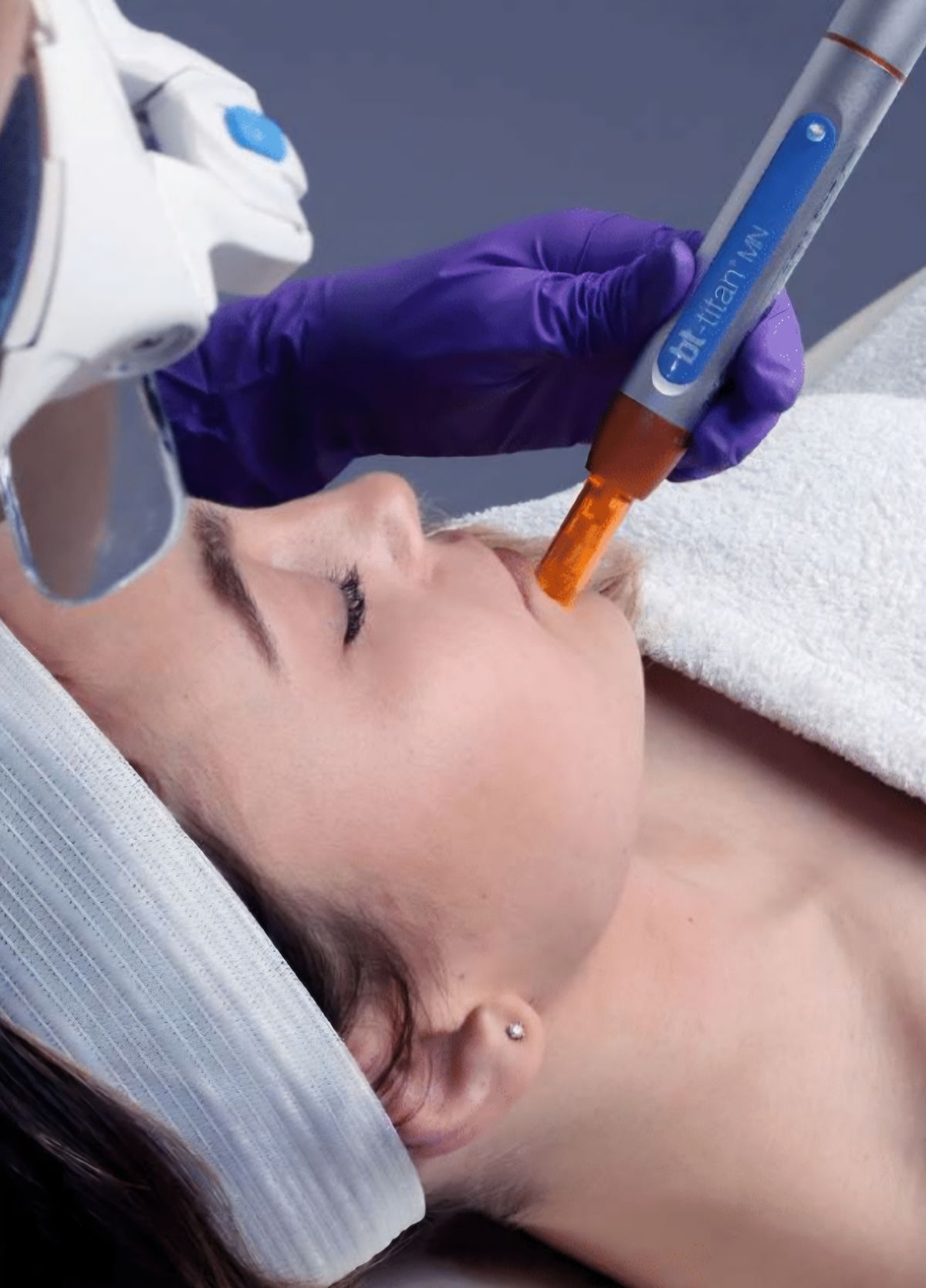
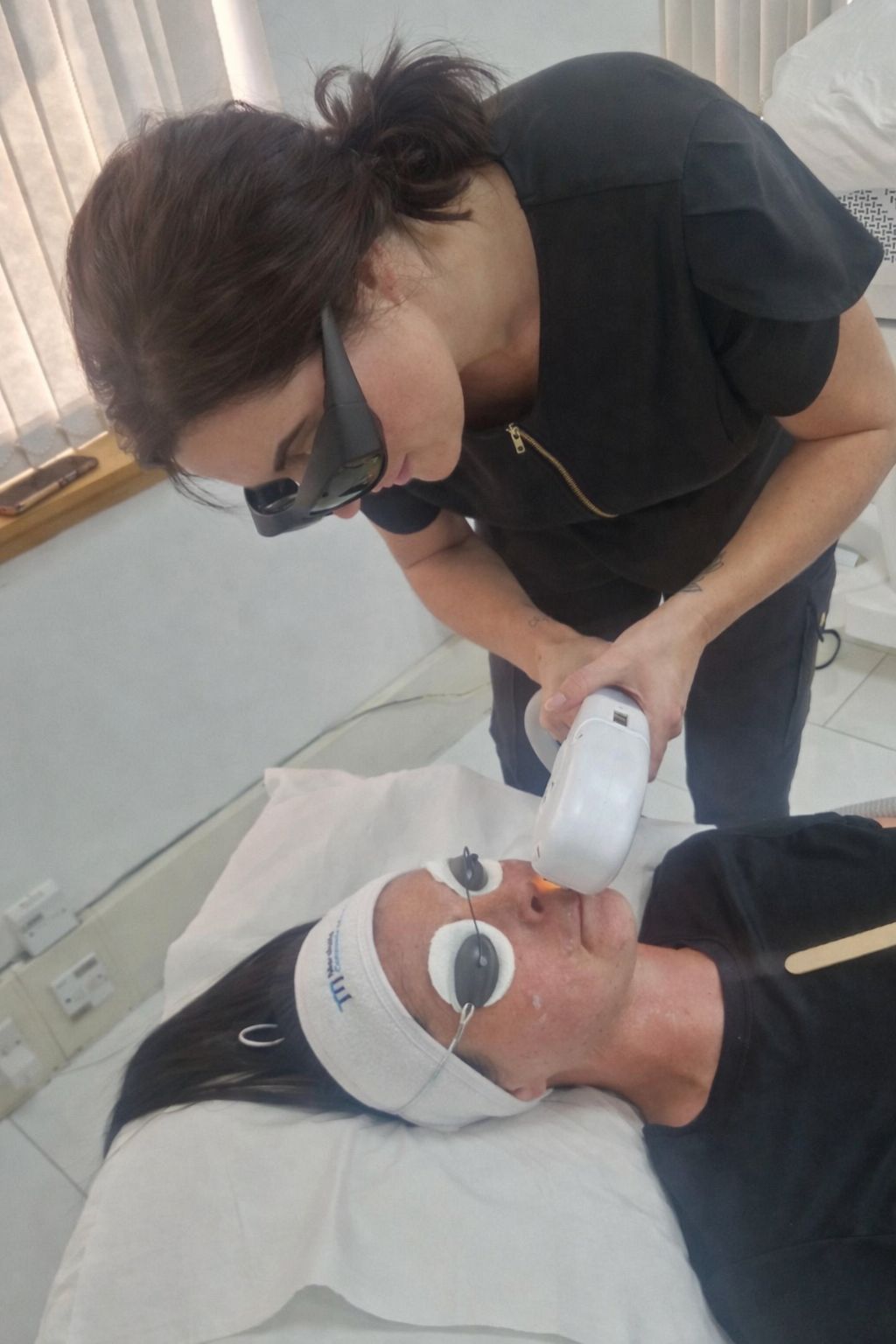
Safety is paramount with any light-based treatment, and IPL is no exception. Both the client and the practitioner wear protective eyewear throughout the procedure — specialist goggles that shield the eyes from the intense light pulses. This is a non-negotiable part of every session at our clinic in Warrington, Cheshire, and one of the many details that distinguishes a professional clinical environment from anything you might encounter elsewhere.
A cooling gel is applied to the treatment area, and the IPL handpiece is pressed gently against the skin. Each pulse of light feels like a brief, warm snap — often compared to the sensation of a small elastic band flicking against the skin. Most clients find it entirely manageable, and the discomfort, such as it is, lasts only a fraction of a second per pulse. A full facial treatment typically takes between 20 and 30 minutes, making it a genuinely convenient appointment to fit into a busy schedule.
The Healing Process: What Happens Afterwards
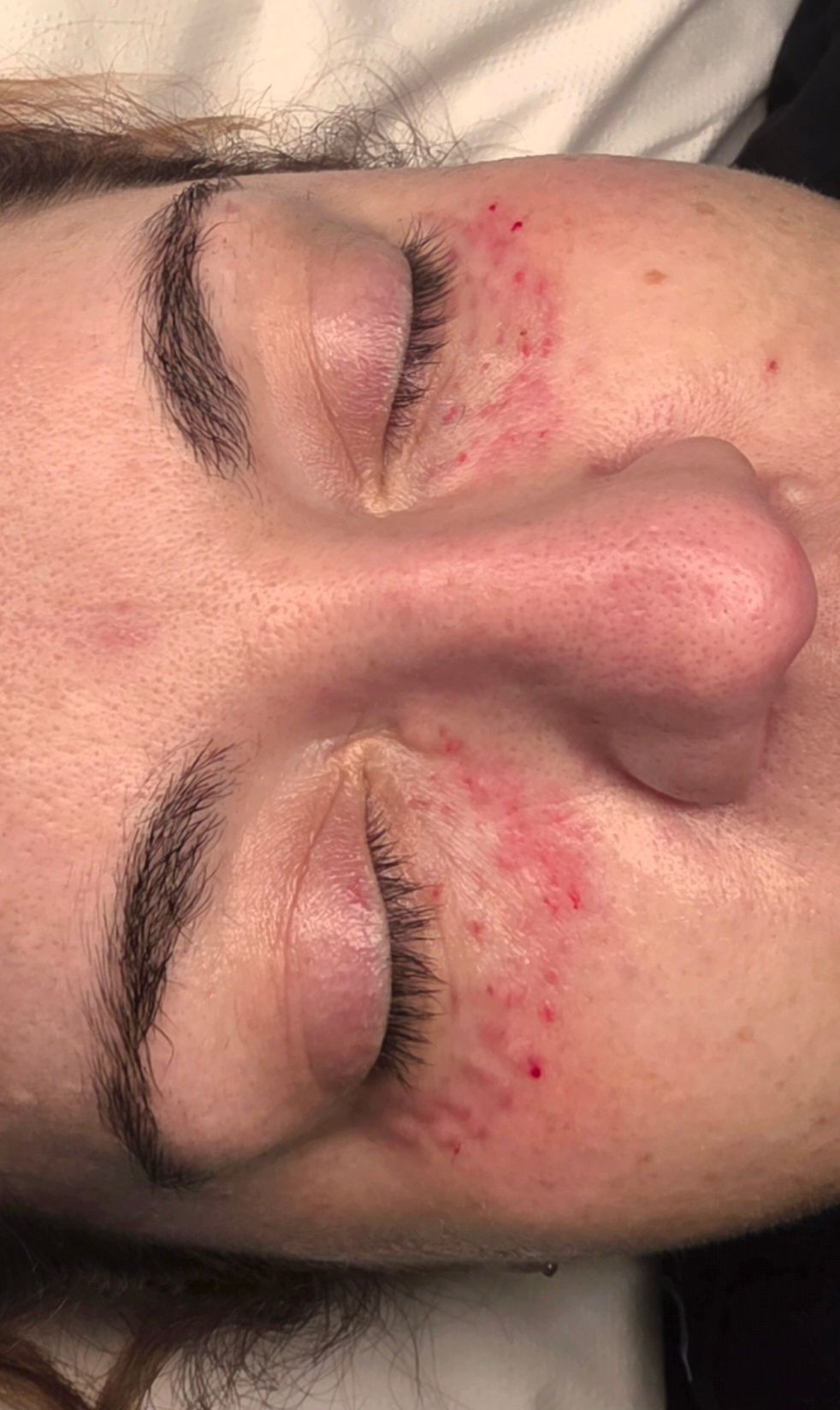
This is the part that can unsettle clients who are unprepared for it, so let us set expectations clearly. In the days following your IPL treatment, pigmented areas will initially darken. This is not a side effect — it is the treatment working exactly as intended. The fragmented melanin rises to the skin's surface, appearing as small, coffee-ground-like spots that are temporarily more visible than they were before treatment.
Over the following seven to fourteen days, this darkened pigment will naturally flake and shed, revealing clearer, more even skin beneath. It is a process that requires patience and trust, but the results are consistently rewarding. Redness and vascular concerns tend to respond more quickly, with flushing and visible capillaries diminishing noticeably within the first week.
"The temporary darkening after IPL is actually the most reassuring sign of all. It means the light has found its target, the pigment has been disrupted, and your skin is already in the process of clearing itself."
During the healing period, diligent sun protection is absolutely essential. A broad-spectrum SPF 50 should be applied daily without exception, as newly treated skin is more vulnerable to UV-induced pigmentation. Avoiding direct sun exposure for at least two weeks post-treatment will protect your results and prevent rebound pigmentation.
How Many Sessions Will You Need?
While some clients see meaningful improvement after a single session, a course of three to six treatments spaced three to four weeks apart is generally recommended for optimal correction. Each session builds upon the last, progressively clearing deeper layers of pigmentation and further reducing vascular irregularities. During your consultation, our team will assess the severity of your concerns and recommend a treatment plan calibrated to deliver the clearest possible result.
If pigmentation, redness, or uneven tone has been quietly eroding your confidence, IPL skin resurfacing offers a clinically proven path back to clarity. Book a consultation at N-Jane Aesthetics & Skin and let our expert team examine your skin, explain exactly what IPL can achieve for your specific concerns, and build a treatment plan that restores the even, luminous complexion you deserve.