Every so often, a treatment emerges in advanced aesthetics that genuinely shifts the conversation — not through marketing hyperbole, but through measurable, clinically validated results that practitioners cannot ignore. Polynucleotide injections represent precisely that kind of shift. Unlike anything currently in the injectable landscape, this regenerative treatment does not merely fill, plump, or temporarily hydrate. It actively repairs damaged cells, stimulates the production of new tissue, and restores skin density from within. If you have been following the trajectory of aesthetic medicine with any attention, you will have noticed polynucleotides gaining serious momentum — and there are very good reasons for that.
What Polynucleotides Actually Are
Polynucleotides are long chains of nucleotides — the fundamental building blocks of DNA — derived from purified salmon DNA through a rigorous pharmaceutical extraction process. Before that detail gives you pause, consider the science: salmon-derived polynucleotides are highly biocompatible with human tissue, meaning they integrate seamlessly with your own cells without triggering adverse reactions. This is not a cosmetic ingredient borrowed from nature on a whim. It is a biomaterial with decades of use in regenerative medicine, including wound healing and tissue repair, now refined for aesthetic application.
Once injected into the skin, polynucleotides work at a cellular level that is fundamentally different from anything fillers or skin boosters achieve. They stimulate fibroblast activity — fibroblasts being the cells responsible for producing collagen, elastin, and the extracellular matrix that gives skin its structural integrity. In essence, polynucleotides do not replace what has been lost. They signal your own cells to rebuild it.
How This Differs from Fillers and Skin Boosters
The distinction matters, because understanding what polynucleotides are not is just as important as understanding what they are. Dermal fillers add volume by physically occupying space beneath the skin — they replace lost structure with a gel-based substance. Skin boosters like Profhilo deliver intense hydration and stimulate some collagen production through hyaluronic acid distribution. Both have their place. Both deliver excellent results for the right indications.
Polynucleotides operate on an entirely different axis. Rather than adding a substance or delivering hydration, they trigger genuine tissue regeneration. They improve skin quality at its source — increasing cell turnover, enhancing blood supply to the treated area, reducing oxidative stress, and promoting the kind of deep structural repair that addresses skin damage rather than simply concealing it. The result is skin that is clinically healthier, not just aesthetically improved.
- Fillers: replace lost volume with an injectable gel substance
- Skin boosters: hydrate deeply and stimulate mild collagen renewal
- Polynucleotides: activate cellular repair, fibroblast stimulation, and genuine tissue regeneration
What Polynucleotides Treat
At N-Jane Aesthetics & Skin, our expert team has seen polynucleotide injections deliver particularly compelling results in areas where the skin is thinnest, most delicate, and historically most difficult to treat effectively. The under-eye area — long considered one of the most challenging zones in facial aesthetics — responds remarkably well. Crepiness, dark hollowing, and the tissue-paper quality that develops with age and fatigue all show measurable improvement as cellular repair takes hold.
Beyond the under-eyes, polynucleotides are used across the full face to improve overall skin density, reduce fine lines, and restore a quality of luminosity that comes from genuinely healthy tissue rather than surface-level hydration. They are also gaining traction for treating the neck, decolletage, and hands — areas where thin, sun-damaged skin often ages faster than the face itself.
The Treatment Experience and Expected Course
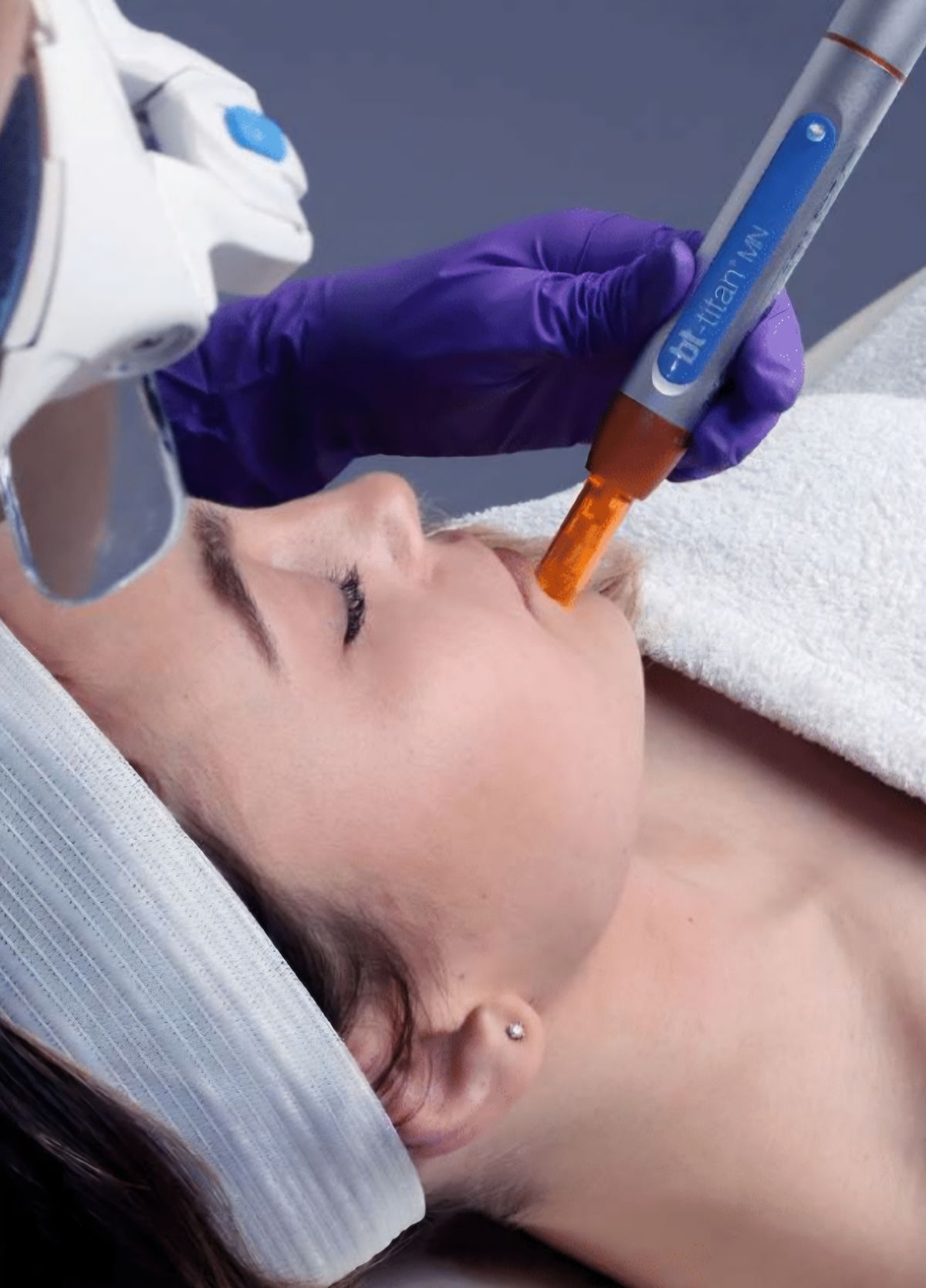
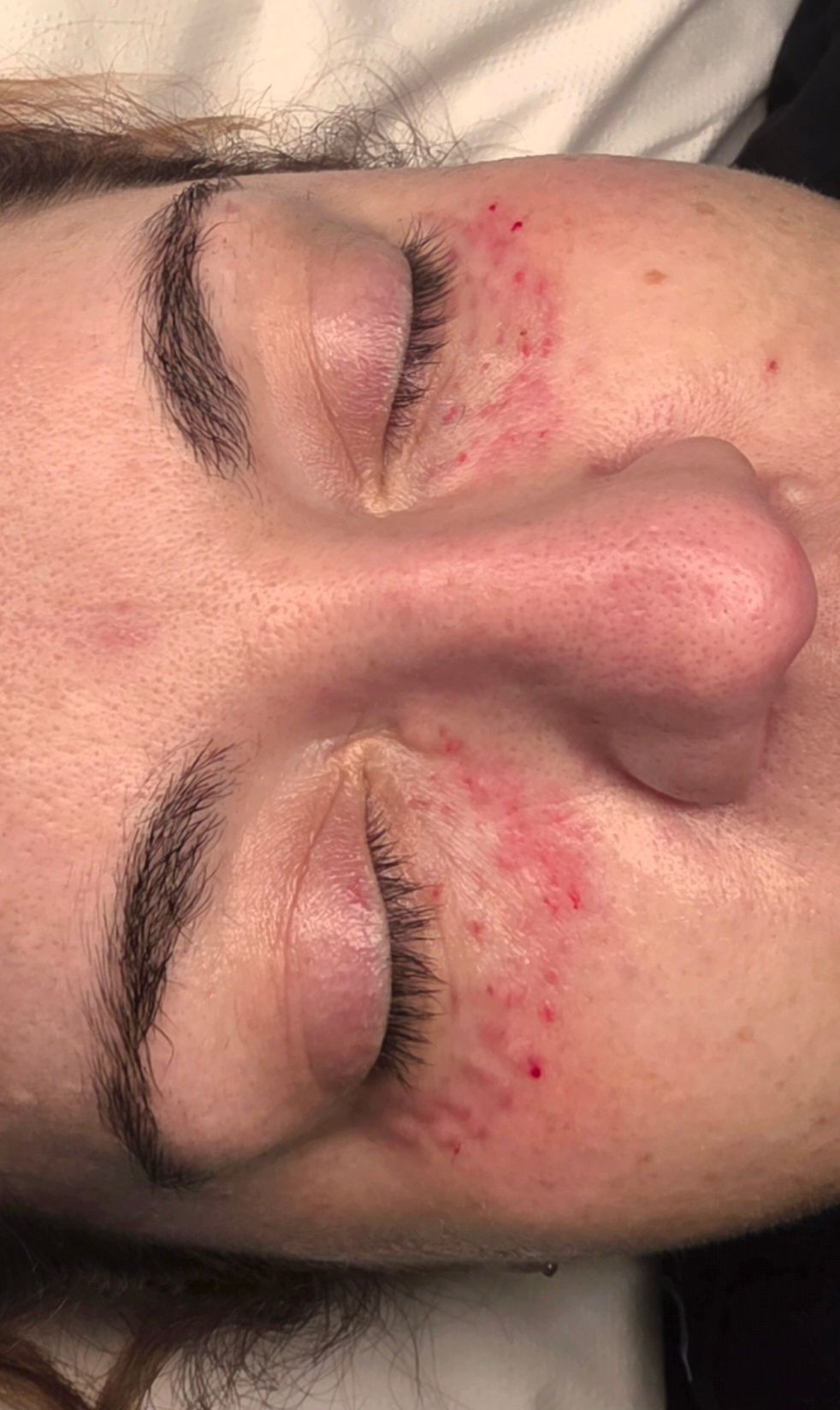
Polynucleotide treatment at our clinic in Warrington, Cheshire is a precise, considered procedure. Using fine-gauge needles, the product is injected at multiple points across the treatment area — you may notice tiny pinprick marks immediately afterwards, particularly around the delicate under-eye and nose bridge zones. These are evidence of accurate injection placement and typically fade within twenty-four to forty-eight hours.
A course of two to three sessions spaced three to four weeks apart is generally recommended for optimal results. The regenerative process is not instant — polynucleotides work by initiating biological repair at a cellular level, and that takes time. Noticeable improvement typically begins to emerge after the second session, with results continuing to develop and refine over the following weeks as new collagen is synthesised and tissue density increases.
"Polynucleotides represent a genuine evolution in what injectables can achieve. We are no longer limited to filling and hydrating — we can now actively repair and regenerate. That distinction changes everything."
Why This Treatment Is Gaining Momentum
The growing interest in polynucleotide injections among advanced practitioners is not driven by novelty. It is driven by outcomes. Clients who have plateaued with traditional skin boosters, who find fillers inappropriate for certain areas, or who are seeking improvement in skin quality rather than volume are discovering that polynucleotides fill a gap that nothing else in the current aesthetic toolkit quite addresses. For those also concerned with sun damage or pigmentation, combining polynucleotides with IPL skin resurfacing offers complementary results — addressing both deep cellular repair and surface-level tone correction.
If you are intrigued by polynucleotide skin rejuvenation and want to understand whether it is the right step for your skin, our team at N-Jane Aesthetics & Skin would welcome that conversation. Book a consultation at our Warrington, Cheshire clinic and let us assess your skin with the clinical depth this treatment deserves — because understanding your skin at a cellular level is where every exceptional result begins.